VOL. 1, NO. 1 · LOS ANGELES · THURSDAY, SEPTEMBER 24, 2026

Station 01 · Start here

THE SUN SURVEY

A field publication about clean and renewable energy in Los Angeles and the desert that powers it. Each week we post short, dated updates from the roofline, the desert edge, and the grid that runs between them.

Hand-drawn survey illustration of a large wobbly-rayed sun rising over a lightly lined horizon with chaparral scrub in the foreground
Sunrise over the chaparral at the eastern edge of the basin, where every solar day in Los Angeles starts.

Station 02 · Short takes

Short updates from the roofline and the desert edge

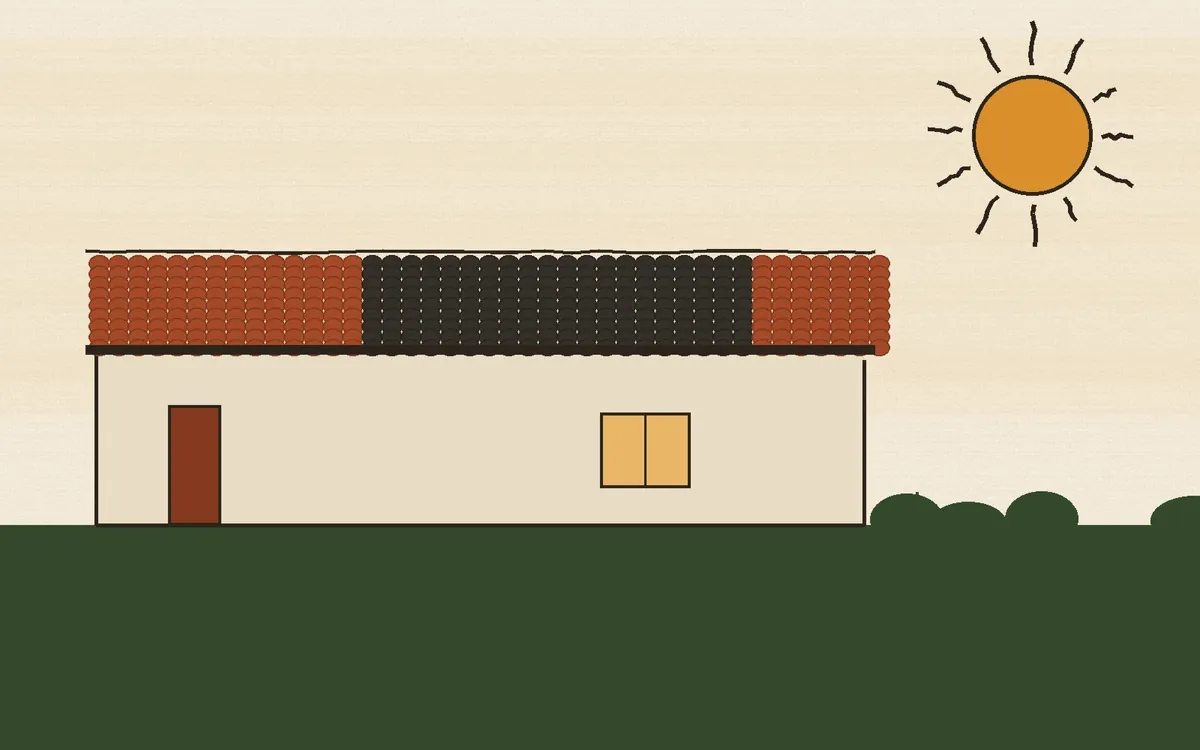
Hand-drawn style illustration of a low stucco house with a terracotta barrel-tile roof and a field of dark solar tiles, under a bleached sky

SEP 24, 2026

Solar tile roofs grow up

Barrel-tile roofs with dark photovoltaic tiles set into the rows are showing up on new stucco builds from the Valley to the Westside. Since 2020, the state energy code has asked new homes to arrive with solar, and integrated tile is how some architects choose to answer.

ROOFLINE

SEP 22, 2026

Haze is a supply item now

Early autumn haze over the basin trims rooftop output by a few percent on the worst days and holds evening temperatures high. It is worth tracking like any other supply variable, because it shows up in rooftop output and in evening power bills.

ATMOSPHERE
Hand-drawn style illustration of solar panel rows receding across a desert floor toward hazy mountains, with a large wobbly-rayed sun

SEP 18, 2026

The desert edge gets busier

Contracts signed years ago are turning into steel on the Mojave floor east of the Tehachapis. The projects that feed Los Angeles keep their panels low to the ground and their battery halls close by.

DESERT EDGE

SEP 15, 2026

The evening peak rules every plan

Every serious plan for Los Angeles power bends around the hours after sunset. Midday solar is the easy part; the real question is what carries the city from six to ten at night.

THE DUCK CURVE

Station 03 · Top story

This week's long read

LA's 2035 bet, measured from the Mojave

Los Angeles has set one of the most aggressive clean-power targets of any large American city: carbon-free electricity by 2035. The number that makes it plausible was signed in a pair of power contracts with a developer willing to build in the desert and store the sun for after dark.

The cheapest electron in Los Angeles now arrives at noon and is needed at eight.

The Eland projects sit on the Mojave floor in Kern County, and at last public report they pair roughly 400 megawatts of solar with about 300 megawatts of batteries, 1,200 megawatt-hours in all. When the contracts were signed, they were billed as the cheapest solar-plus-storage deals in the country.

Read the full story
Station 04 · Supply and demand

Solar supply and evening demand

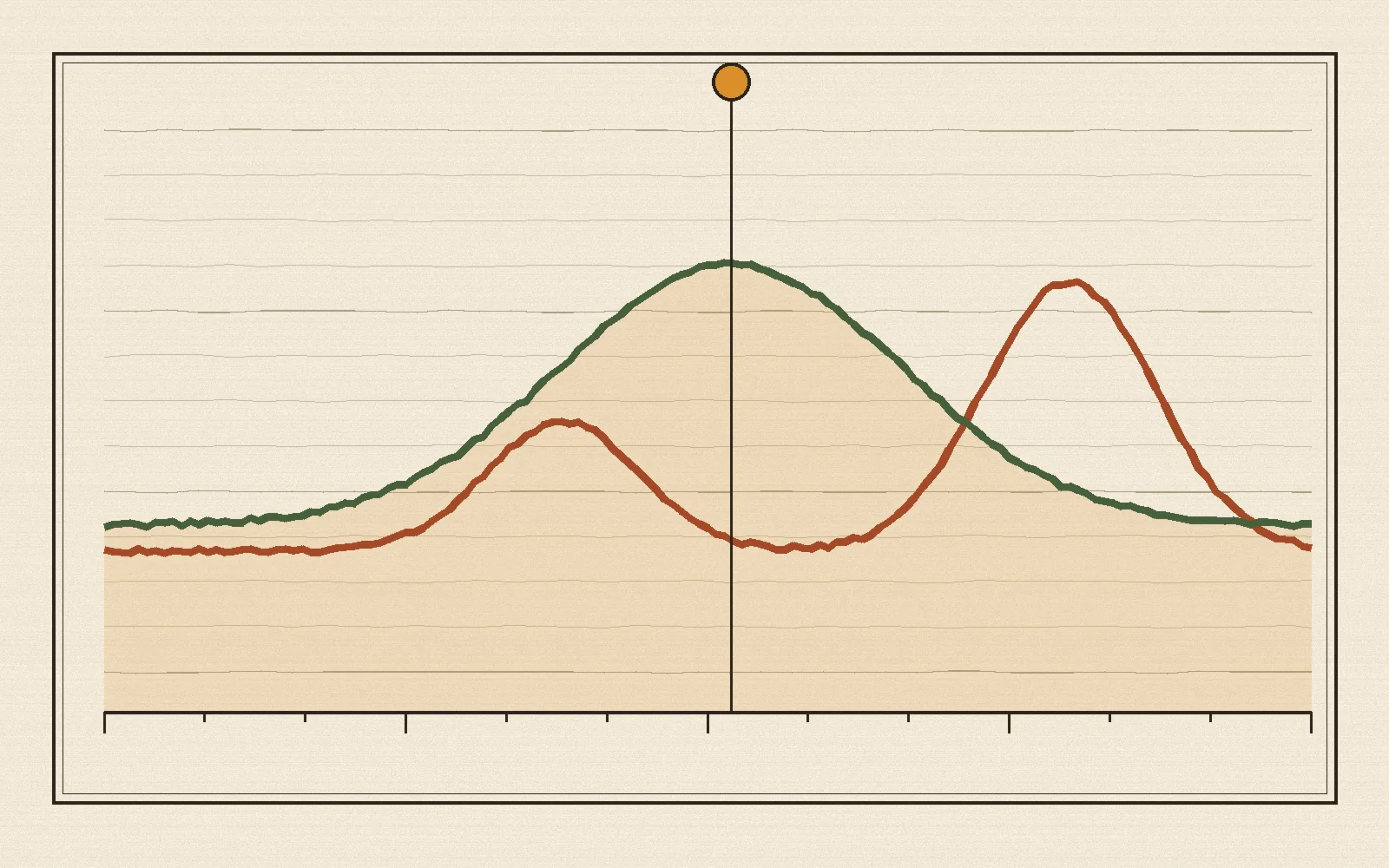
Hand-drawn style chart showing a green solar supply bell curve and a terracotta grid demand curve crossing a ruled field, noon marked by a small sun
Typical shapes for one sunny day: solar supply peaks near noon, demand peaks in the evening. These curves show the pattern, not real measurements.
  • SOLAR SUPPLY Climbs after sunrise, crests near noon, and is gone by dinner. The gold band is the easy energy.
  • GRID DEMAND Double-humped: a morning lift, then the deep evening peak as heat and homes switch on together.
  • THE GAP What storage, existing hydro and geothermal, and desert imports must carry after sunset.

Station 05 · How we work

How we work

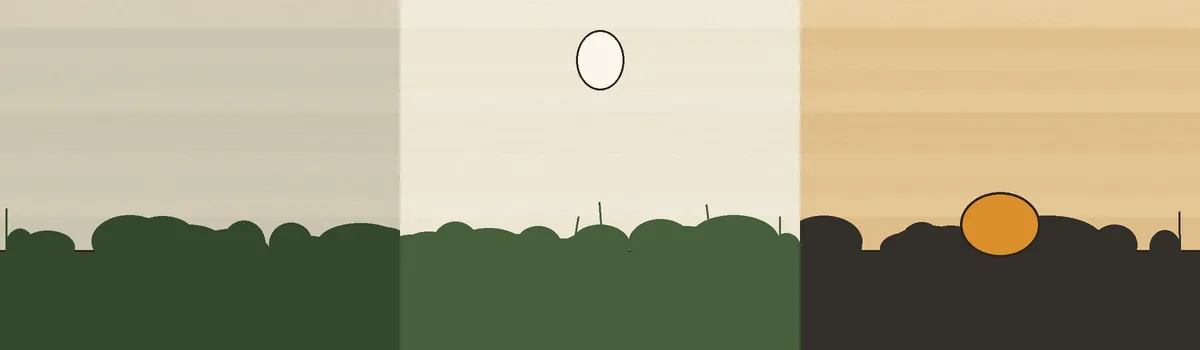
Three hand-drawn panels showing the same chaparral horizon in morning haze, bleached noon light, and amber dusk with a low sun
The same horizon in morning haze, flat noon light, and evening gold. Haze is one of the things that decides how much a rooftop produces on a given day.

The rules we follow

  1. We read primary documents first: utility board agendas, city council files, state energy commission dockets.
  2. Every number is dated and attributed, and anything that is an estimate or an illustration is labeled that way.
  3. We draw every figure by hand. If a picture carries a claim, the caption says where it comes from.
  4. We update every section weekly, and every entry carries its date.

Station 04 · The latest entry

Just filed

California's first wind farms are old enough to rebuild

The turbines in Tehachapi and San Gorgonio passes date to the early 1980s.